
Technical Consulting Independent Chemistry & Engineering Advice
Water chemistry audits, LSI/SDSI studies, scale & corrosion troubleshooting, chemical selection, dosing optimization, and regulatory compliance guidance — delivered by our senior engineers.
What the Consulting Service Covers
Six consulting areas — delivered as a standalone audit or as a continuing advisory service.
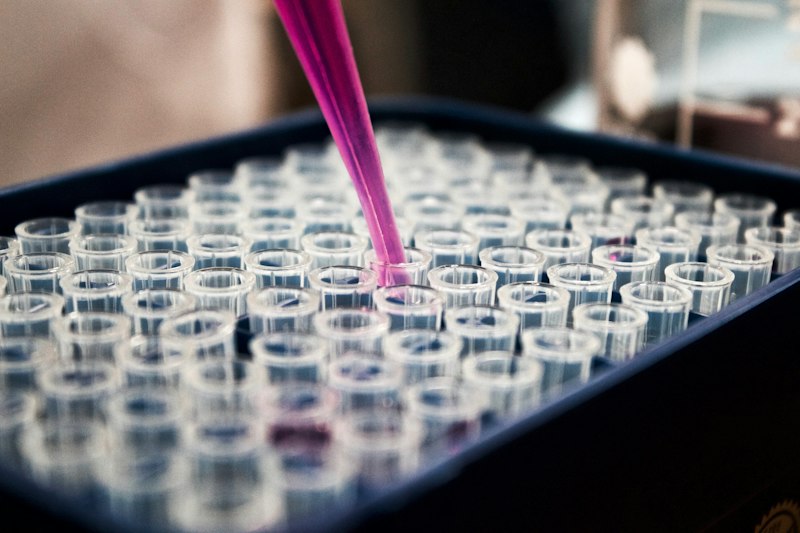
Water Chemistry Audit
- Full ionic analysis: Ca, Mg, Na, K, Cl, SO₄, HCO₃, CO₃
- Physical: pH, TDS, TSS, turbidity, temperature
- Organics: TOC, COD, BOD, UV254
- Contaminants: Fe, Mn, silica, boron, nitrate, fluoride
- Charge balance: cation/anion balance check
- Deliverable: Water chemistry report with interpretation

LSI / SDSI / Stiff-Davis Studies
- Langelier Saturation Index (LSI): for CaCO₃ scaling
- Stiff & Davis Index (S&DSI): for high-TDS brines
- Ryznar Stability Index (RSI): corrosion vs. scaling
- Puckorius Index (PSI): corrected for TDS
- Concentration factor analysis: RO systems
- Deliverable: Scale & corrosion potential report

Scale & Corrosion Troubleshooting
- Deposit sampling & analysis: scale, sludge, biofilm
- Corrosion coupon analysis: coupon racks, LPR probes
- Fouling investigation: biological, organic, inorganic
- Root cause analysis: find why performance dropped
- Corrective action plan: short-term + long-term
- Deliverable: Troubleshooting report with recommendations

Chemical Selection & Compatibility
- Antiscalant selection: BWA Flocon, Hypersperse, Vitec
- Biocide selection: Bellacide, LiquiBrom, RoCide
- Compatibility testing: with membranes & materials
- MSDS review & HSE evaluation
- Regulatory check: NSF, FDA, EU compliance
- Deliverable: Chemical selection report + datasheets
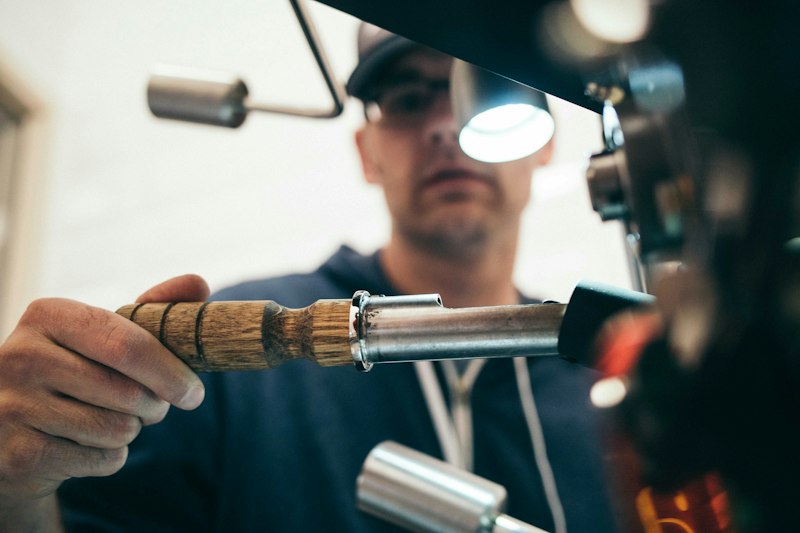
Dosing Program Optimization
- Antiscalant dose optimization: via LSI/SDSI trending
- Biocide dosing: dose, frequency, alternate dosing
- Oxygen scavenger: per dissolved oxygen measurement
- Corrosion inhibitor: per coupon & LPR data
- Cost reduction: reduce chemical spend by 10–30%
- Deliverable: Optimized dosing schedule + setpoints

Regulatory & Compliance Guidance
- Drinking water standards: WHO, EPA, Egyptian standards
- Discharge compliance: industrial & municipal limits
- Chemical compliance: NSF/ANSI 60 & 61, FDA
- Documentation: audit-ready records & reports
- Third-party audits: preparation & response
- Deliverable: Compliance gap analysis + action plan
Our Consulting Workflow
Six phases — from first call to final report and implementation support.
Scope Definition
Kick-off call to understand the client’s problem, plant details, and objectives. Define the specific scope: chemistry audit, troubleshooting, chemical selection, or compliance.
Data Collection
Gather water analyses, historical operating data, P&IDs, chemical dosing logs, maintenance records, and any prior reports. Sampling protocol defined if new samples required.
On-Site Assessment
Site visit for visual inspection, sampling of water and deposits, coupon retrieval, and instrument verification. Face-to-face discussions with operators and plant managers.
Laboratory Analysis & Modelling
Complete analytical work — ionic composition, scale indices (LSI/SDSI), deposit analysis, corrosion data review — followed by process modelling and simulation.
Report & Recommendations
Written technical report with findings, root cause analysis, and prioritized recommendations — short-term corrective actions and long-term optimization opportunities.
Implementation Support
Follow-up support to implement recommendations — chemical program changes, dosing tuning, PM schedule adjustments — with review of results after 30/60/90 days.
Key Water Chemistry Parameters We Audit
| Parameter | Why It Matters | Typical Limit / Range | Reference Standard |
|---|---|---|---|
| pH | Drives scaling & corrosion; affects membrane life | RO feed: 6.5–7.5; boiler: 10.5–12 | Standard Methods 4500-H⁺ |
| Conductivity / TDS | Overall dissolved solids load; membrane selection | Depends on application | Standard Methods 2510 |
| Hardness (Ca + Mg) | Scaling potential; softener sizing | RO feed: < 200 mg/L as CaCO₃ | Standard Methods 2340 |
| Alkalinity (HCO₃⁻) | Buffering; LSI input | Depends on LSI target | Standard Methods 2320 |
| Silica (SiO₂) | Forms hard scale on RO membranes | RO: < 100 mg/L at 75% recovery | Standard Methods 4500-SiO₂ |
| Sulfate (SO₄²⁻) | CaSO₄ scaling potential | Depends on concentration factor | Standard Methods 4500-SO₄²⁻ |
| Iron & Manganese | Fouls membranes, discolours water | RO feed: Fe < 0.05 mg/L | Standard Methods 3500-Fe |
| Chlorine (Free & Total) | Degrades polyamide membranes | RO feed: < 0.1 mg/L | Standard Methods 4500-Cl |
| SDI₁₅ | Fouling potential of RO feedwater | RO feed: < 5; ideally < 3 | ASTM D4189 |
| LSI | CaCO₃ scaling potential | RO concentrate: < +1.8 with antiscalant | Standard Methods 2330 |
| Boron (B) | Regulated for potable & irrigation use | Potable: < 2.4 mg/L (WHO) | Standard Methods 4500-B |
| Total Organic Carbon (TOC) | Biofouling potential; disinfectant demand | RO feed: < 3 mg/L | Standard Methods 5310 |
What Makes Our Consulting Different
Four principles that guide every audit and advisory engagement.
Chemistry-Led
Founded by a chemist — every recommendation is backed by real analytical data, not sales talk.
Data-Driven
Scale indices, coupon data, and normalized performance — we base conclusions on evidence, not opinion.
Independent Advice
We recommend the right chemistry for your plant — even if it’s not the most expensive option on the market.
Implementable Reports
Practical, prioritized recommendations — plus 30/60/90-day follow-up to confirm results on-site.
Where Consulting Makes the Difference
Watch a modern RO desalination plant in operation — every stage depends on precise water chemistry: pre-treatment, antiscalant dosing, membrane performance, and post-treatment. Our consulting service exists to keep every one of those stages optimized.
Request a Chemistry Audit →Ready for a Water Chemistry Audit or Troubleshooting?
Send us your water analysis, plant details, and specific problem — our senior engineers will respond with a consulting proposal tailored to your site.